- +1 (669)-293-6007
- reach@techdatapark.com
- 3080 Olcott St D205, Santa Clara, CA 95054, United States

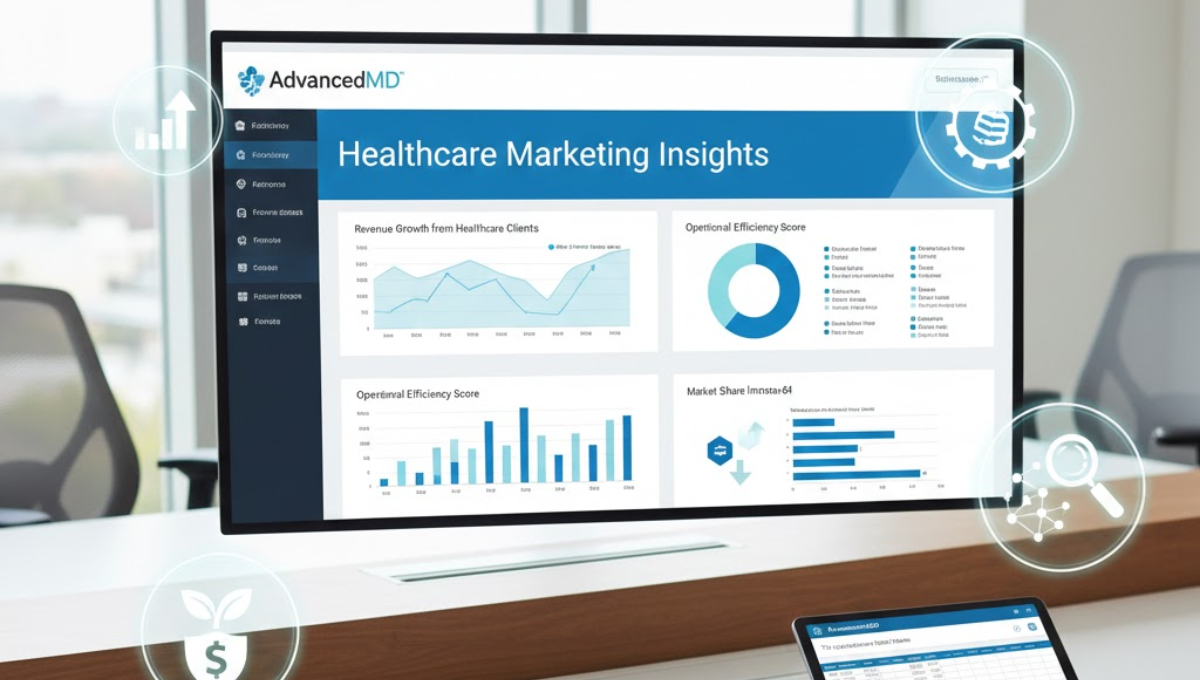
Healthcare organizations are undergoing a rapid digital transformation, driven by regulatory pressures, patient expectations, and the need for operational efficiency. Among the many technologies enabling this shift, practice management and electronic health record (EHR) platforms play a central role.
One such platform, AdvancedMD, supports thousands of healthcare providers in managing clinical, administrative, and financial workflows. Understanding how to strategically market to Companies That Use AdvancedMD can unlock significant opportunities for vendors, consultants, SaaS providers, and data-driven marketers.
This article explores the landscape, benefits, strategies, and challenges of marketing to organizations leveraging AdvancedMD, while remaining grounded in education and insight.
Companies That Use AdvancedMD are typically healthcare-focused entities relying on the platform to manage daily operations, patient data, revenue cycles, and clinical documentation. They range from independent practices to multi-location medical groups and healthcare service providers.
Understanding the operational realities of Companies That Use AdvancedMD allows marketers and solution providers to align messaging, products, and services with real-world healthcare workflows and compliance requirements.
These organizations are typically healthcare-focused entities that rely on AdvancedMD to manage daily operations, patient data, revenue cycles, and clinical documentation. They range from independent practices to multi-location medical groups and healthcare service providers.
Understanding the operational realities of Companies That Use AdvancedMD allows marketers and solution providers to align messaging, products, and services with real-world healthcare workflows and compliance requirements.
Marketing to healthcare organizations built on a unified practice management and EHR platform offers unique strategic advantages. These organizations operate within structured digital ecosystems, making them more predictable, data-driven, and receptive to solutions that enhance efficiency, compliance, and patient outcomes.
Below are the key benefits that make this segment particularly valuable for B2B marketers, SaaS vendors, consultants, and service providers.
Healthcare practices using the same platform tend to share similar workflows, reporting structures, and operational challenges. This consistency allows marketers to segment audiences more effectively based on specialty, practice size, or service focus.
As a result, campaigns can be more personalized, messaging becomes more relevant, and conversion rates improve due to better alignment with real operational needs.
Organizations operating on advanced healthcare platforms have already demonstrated a willingness to invest in digital transformation. They are generally more open to cloud-based tools, automation, analytics, and system enhancements.
This digital readiness reduces educational barriers and makes it easier to introduce complementary solutions without extensive onboarding resistance.
Healthcare practices frequently look for tools that seamlessly integrate with their existing systems to avoid workflow disruption. Solutions that support interoperability such as reporting tools, patient engagement software, or billing enhancements are particularly appealing.
Marketing solutions that clearly demonstrate compatibility and ease of integration gain faster traction within this ecosystem.
Healthcare organizations tend to follow structured procurement processes with defined evaluation criteria. While sales cycles may be longer, they are also more predictable.
This allows marketers to build long-term nurturing strategies, align content with each buying stage, and forecast pipeline performance more accurately.
Once healthcare organizations adopt a vendor that integrates well with their core systems, switching costs become high due to training, compliance, and data migration concerns.
This leads to stronger customer retention, recurring revenue opportunities, and greater lifetime value compared to less regulated industries.
Healthcare decision-makers prioritize vendors who understand regulatory requirements, operational pressures, and patient-centric care models.
By focusing on education, compliance awareness, and measurable outcomes, marketers can position their brand as a trusted partner rather than a transactional service provider.
Advanced healthcare platforms generate structured operational data that can be leveraged ethically and compliantly for personalization and insights.
Marketers can tailor messaging based on practice size, specialty, growth stage, or operational maturity, improving relevance without compromising patient privacy.
Many healthcare organizations are shifting toward value-based care models that emphasize outcomes, efficiency, and cost control.
Vendors that align their messaging around performance improvement, workflow optimization, and measurable ROI are more likely to resonate with decision-makers focused on long-term sustainability.
Targeting a specific technology ecosystem helps reduce competition and generic messaging seen in broader healthcare marketing campaigns.
This focused approach allows brands to stand out by addressing platform-specific challenges rather than competing in oversaturated, generalized healthcare markets.
Technology adoption often centralizes decision-making among practice administrators, IT leaders, and operations managers.
With accurate market intelligence from platforms like TechDataPark, businesses can identify key stakeholders, understand organizational structures, and engage the right decision-makers more efficiently.
Healthcare practices continuously evolve due to regulatory changes, patient demand, and operational growth.
Once a vendor establishes credibility, opportunities often arise to introduce additional services, upgrades, or complementary solutions aligned with evolving practice needs.
By targeting a well-defined technology-based audience, marketers can reduce wasted spend on irrelevant leads.
Campaigns become more efficient, customer acquisition costs decrease, and overall ROI improves due to higher relevance and engagement rates.
Healthcare technology adoption tends to be stable, with organizations remaining within the same ecosystem for extended periods.
This stability allows businesses to build scalable, repeatable marketing frameworks rather than constantly adapting to shifting market segments.
A wide range of vendors can benefit from targeting this healthcare segment, including:
By aligning offerings with platform-specific needs, vendors can increase relevance and conversion rates.
Marketing to healthcare organizations operating within established digital platforms requires precision, empathy, and expertise. Rather than broad promotional tactics, success lies in education, trust-building, and value-driven communication.
By understanding the operational realities of Companies That Use AdvancedMD and leveraging data-driven insights from platforms like TechDataPark, businesses can build sustainable, ethical, and effective marketing strategies in the healthcare sector.
AdvancedMD is a cloud-based practice management and EHR platform used to manage scheduling, billing, clinical documentation, reporting, and patient engagement, helping healthcare providers streamline operations while maintaining regulatory compliance.
Healthcare technology users prioritize compliance, data security, and patient outcomes. Marketing must be educational, transparent, and evidence-based, focusing on long-term value rather than aggressive promotion or short-term sales tactics.
You can access high-quality, verified datasets through specialized market intelligence providers like TechDataPark, which offer structured insights into healthcare technology adoption for research, marketing, and strategic planning purposes.
Healthcare SaaS vendors, analytics providers, compliance consultants, IT security firms, and patient engagement platforms can benefit by aligning their offerings with the operational and regulatory needs of healthcare organizations.
Key benefits include a clearly defined audience, higher technology adoption readiness, demand for integrations, and long-term customer value due to lower platform-switching frequency in healthcare organizations.
At TechDataPark, compliance with GDPR and CAN-SPAM shapes marketing by enforcing consent-based outreach, transparent messaging, and secure data handling. Adhering to these regulations builds trust, ensures ethical communication practices, and strengthens brand credibility across global markets.

Lester Smith brings a unique blend of tech expertise and marketing know-how to his role at TechDataPark. With a background in data analytics and technology marketing, Lester is skilled at helping businesses leverage targeted tech users lists to expand their reach and drive conversions. His data-driven approach enables him to craft compelling marketing strategies that resonate with tech audiences. Outside of work, Lester enjoys staying on top of cutting-edge technology trends and exploring how data continues to transform the marketing landscape.

How Software Resellers Can Use Tech User Lists to Boost Sales? Table of Contents In today’s competitive software market, reaching the right audience is essential for success. Using a Verified

Personalization Strategies Using Tech Stack Intelligence Table of Contents In today’s highly competitive B2B landscape, generic outreach is comparable to shouting into the void—it’s often ignored, irrelevant, and ineffective. Imagine

What Are the Top Companies That Use Salesforce in 2026? Imagine running a business in 2026 without a central system for customer data. Your sales team operates in the dark,