- +1 (669)-293-6007
- reach@techdatapark.com
- 3080 Olcott St D205, Santa Clara, CA 95054, United States

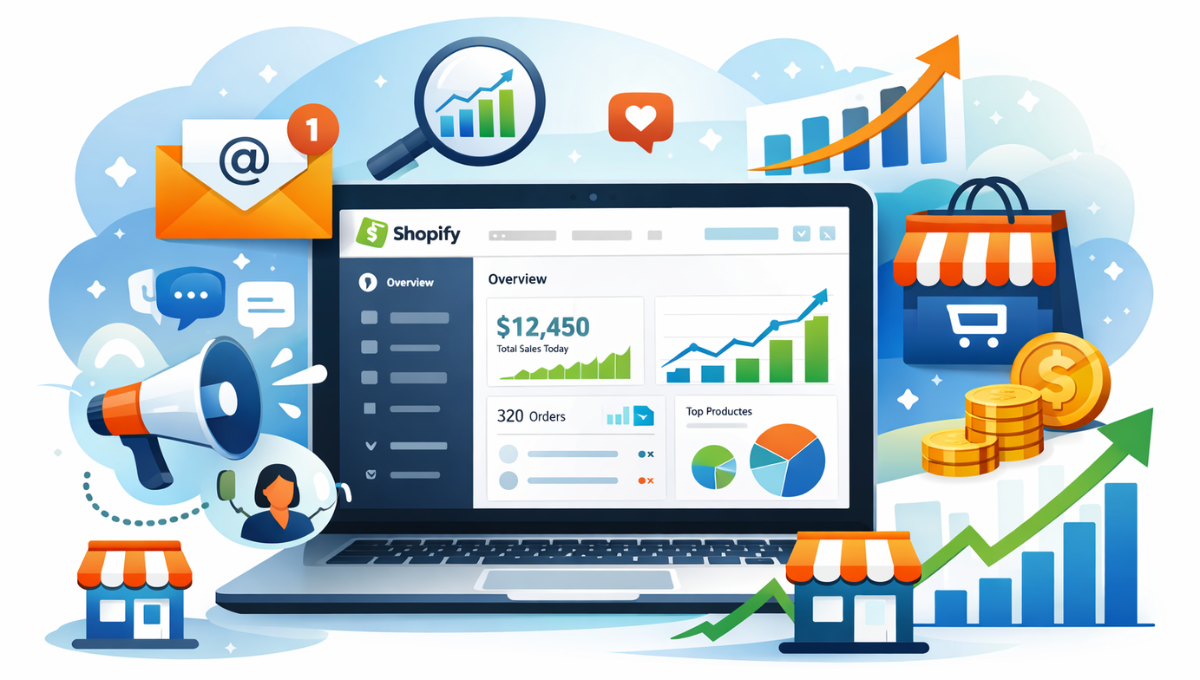
In today’s rapidly evolving e-commerce landscape, platforms like Shopify have revolutionized the way businesses create and manage online stores. With over a million businesses running on Shopify globally, the platform has emerged as one of the most popular e-commerce solutions. However, for entrepreneurs, marketers, or anyone looking to gain insights into the Shopify ecosystem, finding the right store data can be invaluable. Whether you’re looking to analyze market trends, discover potential competitors, or gather business intelligence, sourcing a list of Shopify stores can be a strategic move.
In this blog, we will explore who uses Shopify store lists, how to source them, and why they are essential for business growth. We’ll also take a closer look at how TechDataPark can help you access and leverage high-quality data on Shopify stores.
Shopify users lists aren’t just for tech giants or large marketing agencies. A variety of stakeholders, from business owners to service providers, can benefit from using Shopify store data. Let’s explore some of the main users of Shopify store lists and their objectives.
If you own a Shopify store or are considering starting one, you can use a Shopify store list to:
Digital marketers often rely on Shopify store owners lists for various aspects of their campaigns:
For sales professionals and lead generation companies, accessing a list of Shopify stores is a goldmine:
Data analysts and business intelligence providers rely on accurate data to extract valuable insights:
E-commerce developers and agencies that specialize in Shopify also find Shopify store lists useful:
Now that we know who uses Shopify store lists, let’s dive into the various ways you can source these valuable lists. Whether you’re building your own list or acquiring one from third-party providers, there are several methods to collect Shopify store data.
Some online directories offer lists of Shopify stores in specific categories or niches. These directories compile businesses that use Shopify as their platform, making it easier for you to find stores in your industry or target audience. However, directories may not provide the most comprehensive or up-to-date data, so it’s important to cross-check the information.
Web scraping is a technique used to extract data from websites. There are many tools and scripts available to scrape Shopify store data, allowing users to collect lists of stores based on specific criteria, such as industry, product types, or geographic location. However, scraping must be done ethically and in accordance with the site’s terms of service. Violating these terms can lead to legal repercussions and IP bans.
Certain forums and review sites are dedicated to showcasing Shopify-powered businesses. These platforms often feature customer reviews, success stories, and rankings, making them an excellent source of Shopify store data. Examples include websites like Shopify Compass, Shopify Success Stories, or other niche forums that discuss Shopify store success.
For businesses that require up-to-date, comprehensive, and verified Shopify store lists, data providers like TechDataPark can be a game-changer. TechDataPark offers access to vast databases of e-commerce store data, including detailed Shopify store information. These lists are highly curated, verified, and updated regularly to ensure accuracy.
By sourcing Shopify store data from a trusted provider, businesses can save time and effort while gaining access to actionable data that can be used for marketing, sales, and competitive analysis.
Advanced Google search operators allow you to narrow down specific types of Shopify stores. For example, by searching for certain keywords combined with “shopify.com” or using site-specific queries, you can uncover Shopify stores that meet specific criteria. This method requires a bit more expertise in search engine optimization (SEO) but can yield useful results.
Example:
This method helps to refine your search and find stores within your niche.
Some Shopify store owners promote their businesses through social media platforms such as Instagram, Facebook, or Pinterest. Scanning ads and influencer profiles can give you a list of Shopify-powered stores within specific industries. Tools like Facebook Ad Library allow you to explore active ads run by Shopify stores, which could be a great way to discover relevant businesses.
Many Shopify apps and integrations are designed to enhance store performance and offer data insights. Some apps, such as the Shopify App Store, list Shopify stores that use specific tools or apps. These lists can be valuable for understanding what kind of apps Shopify store owners are using and could provide leads on businesses looking for additional services.
While there are several ways to source Shopify store data, TechDataPark stands out as a reliable and efficient solution for businesses and marketers who need high-quality data.
TechDataPark provides users with access to large, verified databases of Shopify store lists. With the company’s focus on accuracy and regular data updates, you can trust that you’re working with the most current and comprehensive information. Here’s why TechDataPark is an excellent choice for sourcing Shopify store data:
In the ever-growing world of e-commerce, Shopify store lists are invaluable resources for entrepreneurs, marketers, and anyone looking to understand the Shopify ecosystem. Whether you are identifying competitors, conducting market research, or generating sales leads, having access to a reliable list of Shopify stores can offer immense business benefits.
While there are many ways to source Shopify store data, working with a trusted provider like TechDataPark ensures you’re getting the most accurate, up-to-date, and actionable data available.
By leveraging these lists, you can make data-driven decisions that can help you succeed in the competitive e-commerce world.
Shopify store lists are curated collections of businesses that operate their online stores using the Shopify platform. These lists include details such as store names, product offerings, revenue, location, and industry, which can be used for competitive analysis, marketing, and sales outreach.
Shopify store lists can provide valuable insights into your competitors, potential partners, and target audience. By analyzing these lists, you can understand market trends, optimize your marketing campaigns, and find new business opportunities.
Entrepreneurs, marketers, digital agencies, e-commerce developers, and data analysts are among the most common users of Shopify store lists. They use these lists for competitor analysis, lead generation, market research, and SEO purposes.
You can source Shopify store data through web scraping, Shopify store directories, Google search operators, social media platforms, or by purchasing verified lists from providers like TechDataPark, which offer regularly updated and curated store lists.
The best way to get a niche-specific Shopify store list is to use a trusted data provider like TechDataPark, which allows you to filter stores based on industry, location, and other criteria, ensuring the data is relevant to your business.
A typical Shopify store list includes data such as store names, product categories, location, revenue range, app integrations, customer reviews, and website URLs. This data can help with competitive analysis and market research.
TechDataPark is a reliable source because it offers verified, high-quality, and regularly updated Shopify store lists. You can customize the data based on specific criteria like location, revenue, industry, and more, making it an ideal tool for marketers and businesses seeking targeted outreach.
Shopify store lists can be used to identify your target audience, generate leads for outreach, and tailor your marketing strategies. For example, if you’re offering a service for Shopify stores, you can use the list to run targeted email campaigns or personalized advertising.
Yes, it is legal to use Shopify store data for business purposes as long as the data is obtained ethically and you comply with privacy laws. Purchasing data from reliable sources like TechDataPark ensures that you’re using legally sourced and verified information.

Lester Smith brings a unique blend of tech expertise and marketing know-how to his role at TechDataPark. With a background in data analytics and technology marketing, Lester is skilled at helping businesses leverage targeted tech users lists to expand their reach and drive conversions. His data-driven approach enables him to craft compelling marketing strategies that resonate with tech audiences. Outside of work, Lester enjoys staying on top of cutting-edge technology trends and exploring how data continues to transform the marketing landscape.

Top 10 Ways Agencies Use WooCommerce Users List for Client Campaigns Looking to grow your agency by connecting with more WooCommerce stores? With millions of shops online, there’s a great
How B2B Technographic Data Platform Boost ABM Campaigns in Australia? In Australia’s fast-moving B2B market, grabbing the attention of key accounts isn’t just about clever ads or catchy emails; it’s

Leverage Oracle Users List to Connect with Ready-to-Buy Cloud Customers Imagine being able to access a market where potential buyers are already well along in their decision-making process. This is