- +1 (669)-293-6007
- reach@techdatapark.com
- 3080 Olcott St D205, Santa Clara, CA 95054, United States

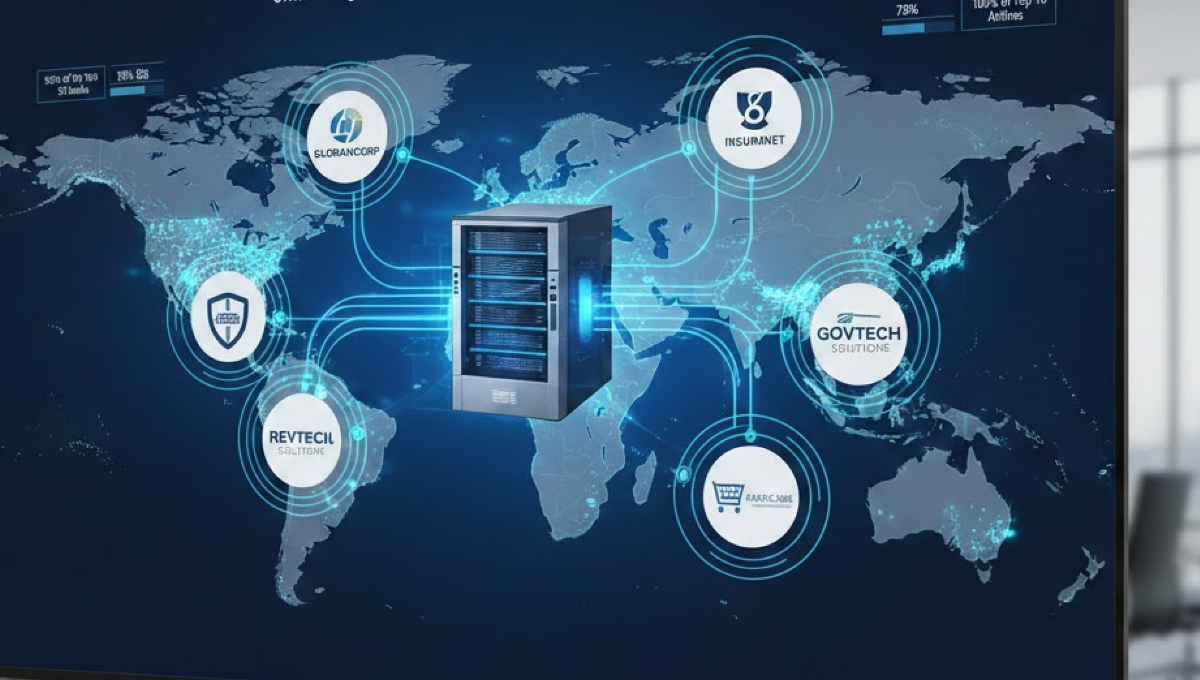
Companies Using IBM Mainframe systems continue to power the backbone of global commerce in 2026. IBM mainframes process roughly 68% of the world’s production workloads, handling everything from credit card transactions to airline reservations. When you withdraw cash from an ATM or file your taxes online, there’s a strong chance a mainframe is doing the heavy lifting behind the scenes.
For B2B teams selling technology products or services, Companies Using IBM Mainframe represent high-value prospects in a $5.65 billion market with substantial IT budgets and complex infrastructure needs. This guide covers which Companies Using IBM Mainframe operate across industries, the sectors driving adoption, and how to build targeted contact lists for reaching mainframe decision-makers.
IBM mainframes are high-performance computing systems designed for large-scale transaction processing and data management. Think of them as the heavy-duty engines behind global commerce 92 of the top 100 banks, 8 of the top 10 payment companies, and all of the top 10 insurance companies run their core operations on IBM mainframes.
Unlike standard servers, mainframes are built for continuous operation with 99.999% uptime. A single mainframe can process billions of transactions daily while maintaining the security and data integrity that regulated industries require.
These capabilities explain why Companies Using IBM Mainframe continue to expand capacity even in cloud-first environments.
Large enterprises with mission-critical computing requirements make up the core customer base. Companies Using IBM Mainframe include banks, insurers, government agencies, healthcare organizations, retailers, and transportation providers that cannot tolerate downtime or data inconsistencies.
So why do companies continue investing in mainframe technology when cloud alternatives exist? With 72% of organizations reporting capacity growth, the answer typically comes down to transaction volume, data integrity, and the total cost of ownership for specific workloads. For a bank processing millions of payments per day, mainframes often remain the most reliable and cost-effective option.
IBM Mainframe systems power secure, high-volume transactions for banks, healthcare, retail, and government worldwide.
Banks represent the largest segment of Companies Using IBM Mainframe systems. Core banking platforms, ATM networks, credit card processing, and real-time payment systems often run on mainframes. When you swipe your debit card or transfer funds, mainframe infrastructure is frequently involved.
Insurance carriers depend on high-volume policy administration and claims systems. Many global insurers are Companies Using IBM Mainframe environments to manage actuarial modeling, underwriting systems, and long-term policy records.
Hospitals, health insurers, and pharmacy benefit managers are also Companies Using IBM Mainframe technology for patient records management and high-volume claims processing. Data sensitivity and compliance requirements reinforce adoption.
Major retailers use mainframes for inventory management, supply chain coordination, and high-volume POS transactions. During peak seasons like Black Friday, Companies Using IBM Mainframe systems can handle massive transaction spikes.
Government agencies use mainframes for tax processing, social services administration, and citizen records management. The Social Security Administration, for example, processes benefits for millions of Americans through mainframe systems that have been running for decades.
Airlines, railways, and logistics companies depend on mainframes for reservation systems, fleet management, and real-time coordination. When you book a flight or track a package, mainframe systems are often working behind the scenes.
Below are prominent Companies Using IBM Mainframe systems in the United States:
The United States has the highest concentration of IBM mainframe users, with financial services, government, and healthcare dominating the landscape. States like Georgia, Ohio, and North Carolina show particularly high concentrations due to their banking and government sectors.
| Company | Industry | Primary Use Case |
|---|---|---|
|
Bank of America |
Banking |
Core banking, payments |
|
Visa |
Financial Services |
Payment processing |
|
Capital One |
Banking |
Credit card operations |
|
UnitedHealth Group |
Healthcare |
Claims processing |
|
Walmart |
Retail |
Inventory, supply chain |
|
Social Security Administration |
Government |
Benefits administration |
|
Delta Air Lines |
Transportation |
Reservations, operations |
|
Erie Insurance Group |
Insurance |
Policy administration |
Beyond end-user organizations, a robust ecosystem of mainframe software companies develops tools, middleware, and modernization solutions for the platform. These vendors support the ongoing operation and evolution of mainframe environments worldwide.
| Company | Headquarters | Focus Area |
|---|---|---|
|
IBM |
United States |
Hardware, z/OS, middleware |
|
Broadcom |
United States |
Mainframe software, DevOps |
|
BMC Software |
United States |
Automation, management tools |
|
Kyndryl |
United States |
Managed services, modernization |
|
Rocket Software |
United States |
Data management, DevOps |
These providers enable Companies Using IBM Mainframe systems to modernize workloads, integrate with cloud environments, and optimize performance.
North America hosts the largest concentration of Companies Using IBM Mainframe systems, particularly across banking and federal agencies.
Financial institutions in the UK, Germany, and Switzerland represent major Companies Using IBM Mainframe deployments, especially where strict data protection standards apply.
Large financial institutions in Japan, Australia, and Singapore are expanding mainframe capacity. Many leading banks in these markets are Companies Using IBM Mainframe platforms for core banking and payment infrastructure.
Banking sector adoption drives mainframe usage in Latin America. Major financial institutions in Brazil and Mexico operate substantial mainframe environments for core banking and payment processing.
An IBM mainframe users list is a curated B2B database containing contact information for IT decision-makers at organizations running IBM mainframe systems. Sales and marketing teams use these lists to target companies with relevant products and services—whether mainframe modernization, middleware, consulting, or complementary technology solutions.
Unlike simple company directories, a quality mainframe users list includes verified contact details, firmographic data, and technology stack information. This combination enables precise targeting rather than broad, unfocused outreach.
Contact Information
Quality IBM mainframe contact lists include details that enable direct outreach to relevant stakeholders: full name, job title, verified business email address, direct phone number, LinkedIn profile URL, department, and seniority level.
Firmographic Data
Company-level attributes help with segmentation and qualification. Typical firmographic fields include company name, website, industry classification (SIC/NAICS codes), employee count, annual revenue, headquarters location, and entity type.
Technographic Data
Technology-specific details enable targeted messaging based on the prospect’s actual environment. Look for mainframe model and generation, operating system (z/OS, z/VM, Linux on Z), middleware platforms, database systems, and modernization status.
Effective segmentation transforms a broad contact list into targeted campaign audiences. The most common segmentation approaches include:
Start by identifying the firmographic and technographic criteria that characterize your best customers. Which industries, company sizes, and technology environments align with your solution? Getting specific here saves time and improves results later.
Choose filters that narrow your audience to high-probability prospects. Combining job title, industry, and geography typically produces the most actionable segments for outreach campaigns.
Work with a data provider to build a tailored list matching your ICP. TechDataPark offers custom IBM mainframe users lists with 40+ data attributes and segmentation by industry, geography, job title, and technology stack.
Request a sample before purchasing to verify accuracy, deliverability, and data freshness. Reputable providers offer samples so you can evaluate quality before committing.
Use the list across email, phone, LinkedIn, and direct mail for coordinated outreach. Multi-channel approaches typically outperform single-channel campaigns because prospects engage differently across platforms.
ABM programs benefit from the detailed firmographic and technographic data available in quality mainframe lists. You can target high-value accounts with personalized campaigns across multiple touchpoints rather than relying on generic messaging.
Verified email addresses reduce bounce rates and improve email campaign performance. With accurate contact data, you can reach mainframe decision-makers directly with relevant messaging about modernization, integration, or managed services.
Identifying organizations using competitor solutions alongside mainframes enables targeted displacement messaging. If you know a prospect runs a specific middleware platform, you can tailor your outreach accordingly.
Research teams use mainframe users lists to understand market dynamics, analyze adoption trends, and inform product strategy. The firmographic and technographic data provides insight into market sizing and competitive positioning.
Data quality directly impacts campaign performance. Verified lists from reputable providers deliver measurable advantages over generic or outdated contact databases.
TechDataPark’s IBM mainframe users list includes 94,700+ verified contacts, refreshed every 45 days through a 7-tier verification process combining automation with manual review.
When evaluating data providers, look for quality indicators that signal reliable, accurate data. A strong verification process, regular refresh cycles, and documented compliance practices separate quality providers from those selling outdated or poorly maintained lists.
Quality data providers refresh their databases every 30-45 days to maintain accuracy. Job changes, company moves, and email address updates happen continuously, making regular refresh cycles essential for campaign performance.
Verified lists from reputable providers typically deliver 90%+ email deliverability rates. Lower rates often indicate outdated data or insufficient verification processes.
Yes. Reputable data providers offer free samples so you can verify data quality, accuracy, and fit before making a purchase decision.
Look for providers adhering to GDPR, CCPA, and CAN-SPAM regulations. These frameworks govern data collection, consent, and communication practices for B2B marketing.
Most providers deliver lists in CSV or Excel formats that import directly into major CRM platforms like Salesforce, HubSpot, and Microsoft Dynamics.
This includes names, email addresses, phone numbers, job titles, and LinkedIn profiles of professionals using NetSuite CRM. Accurate contact information ensures high deliverability for email campaigns and effective outreach via calls or social media.

Lester Smith brings a unique blend of tech expertise and marketing know-how to his role at TechDataPark. With a background in data analytics and technology marketing, Lester is skilled at helping businesses leverage targeted tech users lists to expand their reach and drive conversions. His data-driven approach enables him to craft compelling marketing strategies that resonate with tech audiences. Outside of work, Lester enjoys staying on top of cutting-edge technology trends and exploring how data continues to transform the marketing landscape.

Top 10 Ways Agencies Use WooCommerce Users List for Client Campaigns Looking to grow your agency by connecting with more WooCommerce stores? With millions of shops online, there’s a great
How B2B Technographic Data Platform Boost ABM Campaigns in Australia? In Australia’s fast-moving B2B market, grabbing the attention of key accounts isn’t just about clever ads or catchy emails; it’s

Leverage Oracle Users List to Connect with Ready-to-Buy Cloud Customers Imagine being able to access a market where potential buyers are already well along in their decision-making process. This is