- +1 (669)-293-6007
- reach@techdatapark.com
- 3080 Olcott St D205, Santa Clara, CA 95054, United States

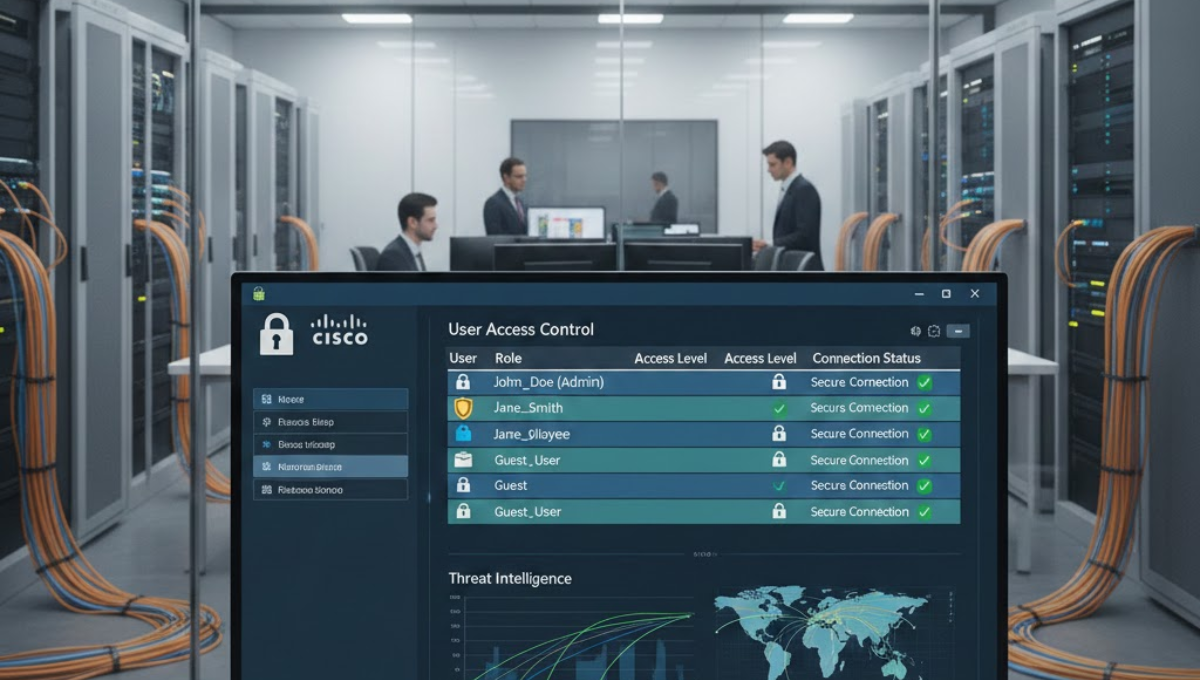
In today’s fast-paced digital landscape, enterprises face growing threats from cybercriminals, making robust network security crucial. One of the most effective tools for maintaining security in an organization’s network infrastructure is using detailed and well-organized Cisco Network Users Lists. These lists provide real-time data about users, devices, and network activity, offering insights that can significantly enhance the overall security strategy. By leveraging Cisco’s advanced network solutions, enterprises can proactively manage their network security, ensuring that only authorized users and devices can access sensitive data. But how exactly do organizations use these lists to bolster security? Let’s dive into the specifics.
A Cisco Network Users List refers to a comprehensive database that catalogs all the users, devices, and associated attributes in an enterprise’s network. Cisco, a global leader in IT and networking, provides various network security tools and services, which include the ability to generate and manage these user lists. The lists capture crucial information like usernames, IP addresses, roles, permissions, and devices connected to the network, offering a real-time overview of the entire user ecosystem within a network.
Cisco’s solutions enable administrators to track which users are connected to the network and what devices they’re using, ensuring that only authorized users have access to the critical systems and data. This tool is especially valuable for IT departments tasked with maintaining network integrity, as it helps reduce the risk of unauthorized access and supports better network management.
Enterprises today face increasingly sophisticated cyber threats, making strong network security and user management more critical than ever. One of the key tools that enterprises leverage to secure their networks is Cisco Network Users Lists. Below are the main ways enterprises use Cisco Network Users Lists to strengthen their network security.
What It Is:
Centralized authentication is a critical security mechanism that ensures only authorized users can access sensitive network resources. By using Cisco Network Users Lists, businesses can effectively manage who gets access to specific network resources based on roles, permissions, and device status.
How It Works:
Key Benefits:
Example Use Case:
A company might configure its Cisco Network Users Lists to ensure that only employees with valid credentials can access financial databases, while restricting access to sensitive data from external contractors or unauthorized devices.
What It Is:
Real-time monitoring allows security teams to actively track and observe user and device behavior within the network. By constantly monitoring the Cisco Network Users Lists, enterprises can detect unusual activities or behaviors that may indicate a potential security threat.
How It Works:
Key Benefits:
Example Use Case:
A sudden increase in data transfers from a specific user or device can trigger an alert, prompting an investigation into whether the activity is legitimate or indicative of an insider threat or data breach.
What It Is:
Role-Based Access Control (RBAC) is a security model that restricts network access based on users’ roles within the organization. With Cisco Network Users Lists, enterprises can effectively implement RBAC, ensuring that each user only has access to the resources necessary for their job functions.
How It Works:
Key Benefits:
Example Use Case:
A company with multiple departments (HR, IT, Finance) uses Cisco’s Network Users Lists to ensure that users in the HR department can only access personnel data, while IT administrators have broader access to the entire network infrastructure.
What It Is:
Network segmentation involves dividing a network into smaller, isolated sub-networks, which enhances security by limiting the spread of potential threats. By leveraging Cisco Network Users Lists, enterprises can segment users and devices based on their roles, departments, or security needs.
How It Works:
Key Benefits:
Example Use Case:
A financial institution may segment its network such that only employees in the finance department can access financial systems, while employees in the marketing or sales departments cannot, even if they share the same physical office network.
What It Is:
Incident response is the process of handling and managing a security breach or attack, while forensics refers to the investigation and analysis of the breach. Cisco Network Users Lists provide vital information to support both incident response and digital forensics.
How It Works:
Key Benefits:
Example Use Case:
In the event of a data breach, Cisco’s Network Users Lists can help the security team identify exactly which user account was compromised, what data was accessed, and when it happened, aiding in the containment and resolution of the incident.
Cisco Network Users Lists allow organizations to gain full visibility into who and what is accessing their network. This helps IT teams to spot vulnerabilities and unauthorized activities quickly, enhancing the overall security posture.
Real-time data on user activity enables organizations to detect threats as they happen. Cisco’s automated systems alert administrators to suspicious activities, such as unauthorized device connections or abnormal data transfers, allowing for rapid response.
With Cisco’s tools, managing users becomes more efficient. IT administrators can automate the creation, modification, and deletion of users based on pre-defined policies, reducing human errors and improving operational efficiency.
In many industries, compliance with security standards and regulations is a legal requirement. By using Cisco Network Users Lists, enterprises can maintain detailed audit trails, ensuring they meet regulatory requirements and avoid potential fines or legal issues.
Cisco’s Network Users Lists integrate seamlessly with other security tools such as firewalls, intrusion detection systems, and antivirus software. This enhances the overall security infrastructure, ensuring comprehensive protection across the network.
As cyber threats continue to evolve, enterprises must adopt advanced tools to safeguard their networks. Cisco’s Network Users Lists are a valuable asset in any organization’s cybersecurity strategy. By providing real-time user and device data, enabling role-based access controls, and streamlining incident response, these lists help ensure that only authorized individuals can access critical systems and data. For businesses seeking to enhance their security framework, partnering with a reliable provider like TechDataPark can offer further insights into the power and potential of Cisco network solutions.
Cisco Network Users Lists is a comprehensive database of users and devices connected to an enterprise’s network. It helps manage security, monitor user activity, and control access based on roles and permissions.
Enterprises use Cisco Network Users Lists to enforce access controls, monitor network traffic, detect potential threats in real-time, and improve incident response, ensuring only authorized users can access critical systems.
Yes, it is legal to buy and use Cisco Network Users Lists, as long as the data is sourced from compliant providers who follow privacy and data protection regulations like GDPR, CAN-SPAM, and CCPA.
The benefits include improved network visibility, enhanced real-time security, streamlined user access management, regulatory compliance, and integration with other security tools to bolster overall protection.
You can purchase Cisco Network Users Lists from trusted vendors like TechDataPark, which offer reliable and updated network solutions to enhance security and network efficiency.
By providing real-time user and device data, Cisco helps optimize network traffic, ensuring efficient bandwidth usage, prioritizing critical services, and maintaining performance during peak times.

Lester Smith brings a unique blend of tech expertise and marketing know-how to his role at TechDataPark. With a background in data analytics and technology marketing, Lester is skilled at helping businesses leverage targeted tech users lists to expand their reach and drive conversions. His data-driven approach enables him to craft compelling marketing strategies that resonate with tech audiences. Outside of work, Lester enjoys staying on top of cutting-edge technology trends and exploring how data continues to transform the marketing landscape.

How Software Resellers Can Use Tech User Lists to Boost Sales? Table of Contents In today’s competitive software market, reaching the right audience is essential for success. Using a Verified

Personalization Strategies Using Tech Stack Intelligence Table of Contents In today’s highly competitive B2B landscape, generic outreach is comparable to shouting into the void—it’s often ignored, irrelevant, and ineffective. Imagine

What Are the Top Companies That Use Salesforce in 2026? Imagine running a business in 2026 without a central system for customer data. Your sales team operates in the dark,