- +1 (888)-840-3334
- reach@techdatapark.com
- 3080 Olcott St D205, Santa Clara, CA 95054, United States

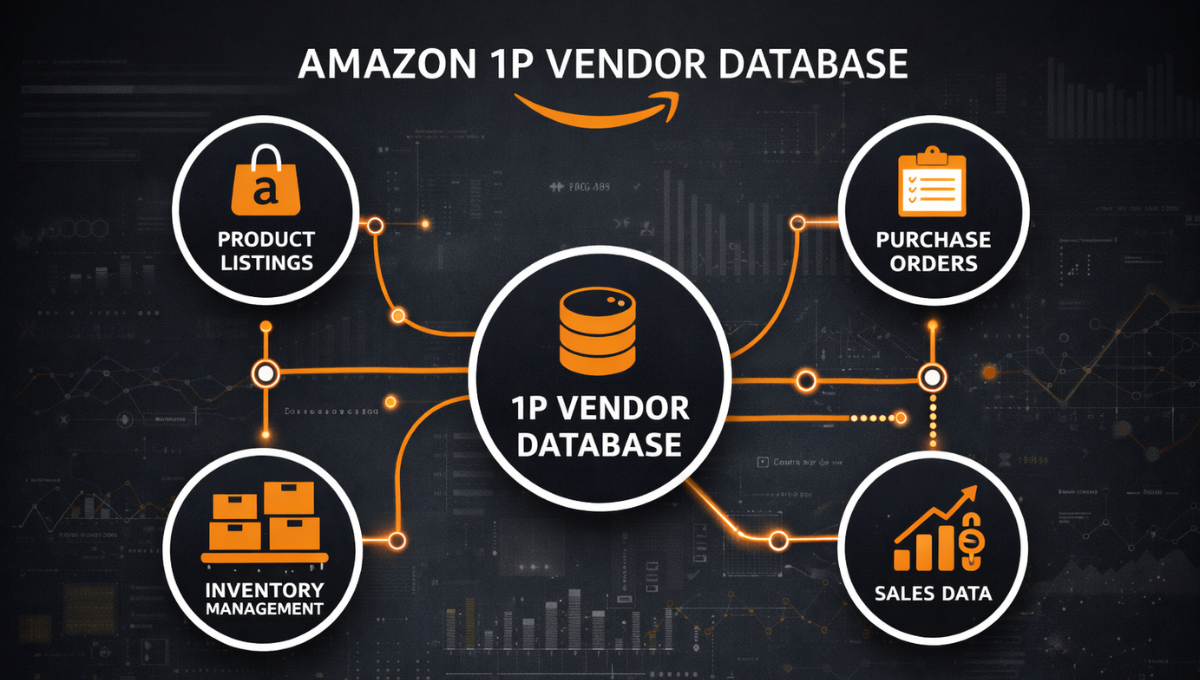
Navigating the vast world of eCommerce can be overwhelming, especially when it comes to managing the complexities of selling on Amazon. One of the key tools for suppliers and manufacturers is the Amazon 1P Vendor Database. Understanding how this works can dramatically improve your selling strategy and optimize your business’s performance. In this guide, we’ll break down the Amazon 1P Vendor Database, explaining what it is, its benefits, and how it can help you as a vendor or retailer.
The Amazon 1P Vendor Database plays a pivotal role for vendors who wish to sell products to Amazon directly at wholesale prices. If you’re looking to grow your business and expand your brand’s reach, understanding how Amazon’s 1P model works is essential. This guide will break down the key concepts, benefits, and potential challenges of working within the 1P Vendor Database, offering you a clearer path toward success.
The Amazon 1P Vendor Database refers to the internal system that Amazon uses to manage its relationships with first-party (1P) vendors. When you, as a vendor, sell products to Amazon at wholesale prices, Amazon then resells those products directly to customers under its own brand or listings, operating differently from most amazon sellers who sell directly to consumers.
In simpler terms, 1P vendors are suppliers who sell their products directly to Amazon in bulk, and Amazon becomes the retailer. The vendor’s role is primarily to provide products at a bulk discount and manage inventory, while Amazon handles everything from customer-facing services to pricing and fulfillment.
This system is accessed through Amazon Vendor Central, a specialized portal for manufacturers, wholesalers, and suppliers. When you’re approved to join Amazon’s 1P Vendor Database, you are granted access to this portal, where you can manage your product listings, orders, payments, and more.
Let’s take a deeper look into the primary elements of the Amazon 1P Vendor Database, so you can understand how it works and how it differs from other models.
Are you Looking for Verified Technology Users List?
Now, let’s break down how the Amazon 1P Vendor Database works step by step, so you can understand the vendor journey from start to finish.
Being part of Amazon’s 1P Vendor Database has several advantages, which can help your business grow rapidly. Here are some of the key benefits of working with Amazon directly:
With over 300 million active customer accounts worldwide, being part of the 1P Vendor Database puts your products in front of a vast and diverse customer base. Your product becomes available to billions of potential buyers.
As a 1P vendor, you get exclusive access to Amazon’s massive sales events such as Prime Day, Black Friday, and Cyber Monday. These events provide opportunities to gain tremendous exposure and drive large sales volumes.
Amazon offers various promotional tools for 1P vendors, such as A+ Content and Sponsored Products, to help boost the visibility of your listings. With Amazon’s extensive advertising network, you can run effective campaigns to increase your sales.
With FBA, Amazon handles all logistics for you, including warehousing, packaging, and shipping. This reduces the operational burden and ensures that your products are shipped quickly and efficiently to customers.
Amazon handles all aspects of customer service, including returns, complaints, and feedback. This allows you to focus solely on product quality and supply without worrying about day-to-day customer interactions.
The 1P model ensures that you have regular, bulk orders from Amazon, providing a steady and predictable revenue stream. Unlike the 3P model, where you rely on customers purchasing from your listings, Amazon buys directly from you in large quantities.
The Amazon 1P Vendor Database is an essential tool for any manufacturer or wholesaler looking to expand their reach in the Amazon ecosystem. By becoming part of this exclusive network, vendors can access a variety of benefits, from guaranteed sales volume to marketing and logistical support. However, it’s crucial to understand the intricacies of the system, including pricing agreements and payment terms, to maximize the potential of your business.
Access TechDataPark's Verified Technology Databases
Connect with verified IT decision-makers and technology leaders.
The Amazon 1P Vendor Database is a system where Amazon directly purchases products from suppliers or manufacturers to resell them. Vendors are part of Amazon’s wholesale model, and Amazon acts as the customer, handling all sales, marketing, and customer service.
The main benefits include guaranteed sales volume, access to Amazon’s powerful marketing tools, streamlined logistics through FBA, and increased brand visibility. Vendors also enjoy reliable payment terms and the potential for higher sales.
You can purchase Amazon 1P Vendor Database from trusted vendors like TechDataPark, which offer reliable and updated network solutions to enhance security and network efficiency.
In the Amazon 1P Vendor Database, Amazon buys directly from vendors and resells the products. In the 3P model, sellers list and sell products directly to Amazon customers, with more control over pricing and customer interactions.
Challenges include stringent pricing agreements, pressure to maintain stock levels, and the complexity of navigating the Vendor Central portal. Vendors also need to meet Amazon’s high performance standards for product quality, customer service, and delivery times.
Inventory management is crucial in the Amazon 1P Vendor Database. Vendors can leverage Amazon’s logistics network (FBA) to streamline storage, fulfillment, and shipping. It’s essential to regularly monitor stock levels and adjust orders based on demand forecasting and analytics.

Lester Smith brings a unique blend of tech expertise and marketing know-how to his role at TechDataPark. With a background in data analytics and technology marketing, Lester is skilled at helping businesses leverage targeted tech users lists to expand their reach and drive conversions. His data-driven approach enables him to craft compelling marketing strategies that resonate with tech audiences. Outside of work, Lester enjoys staying on top of cutting-edge technology trends and exploring how data continues to transform the marketing landscape.

How Software Resellers Can Use Tech User Lists to Boost Sales? Table of Contents In today’s competitive software market, reaching the right audience is essential for success. Using a Verified

Personalization Strategies Using Tech Stack Intelligence Table of Contents In today’s highly competitive B2B landscape, generic outreach is comparable to shouting into the void—it’s often ignored, irrelevant, and ineffective. Imagine

What Are the Top Companies That Use Salesforce in 2026? Imagine running a business in 2026 without a central system for customer data. Your sales team operates in the dark,